
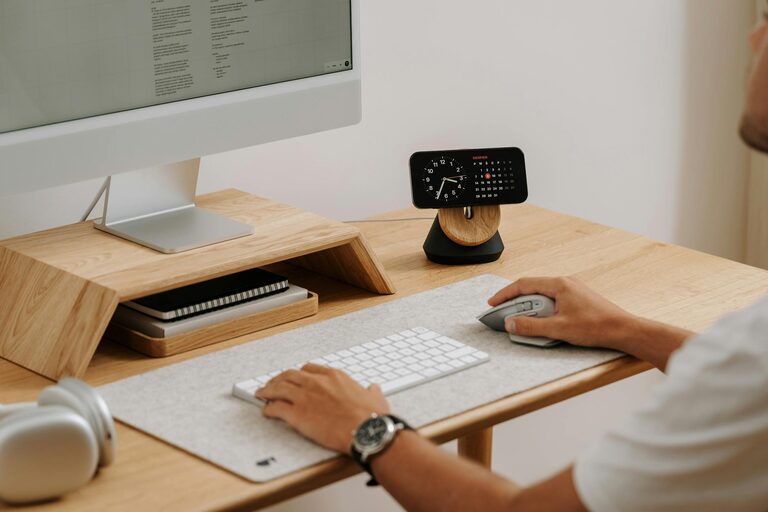
Creating a home workspace that feels cozy yet boosts productivity can transform the way you approach work-from-home days. Whether you’re freelancing, working remotely, or managing household tasks, your workspace plays a crucial role in your focus and overall well-being. Here are some thoughtful tips to help you design a home workspace that encourages comfort and efficiency.
Choose the Right Location
Finding the ideal spot for your workspace is the first step. Look for a quiet area with minimal distractions. This could be a spare room, a corner of the living room, or even a nook near a window.
Consider Natural Light
Natural light is one of the best ways to improve mood and productivity. If possible, set up your desk near a window to enjoy daylight, which helps reduce eye strain and keeps you energized.
Minimize Noise
If your home tends to be noisy, think about using noise-canceling headphones or white noise machines. Choosing a spot away from busy areas, like kitchens or playrooms, can also limit interruptions.
Invest in Comfortable Furniture
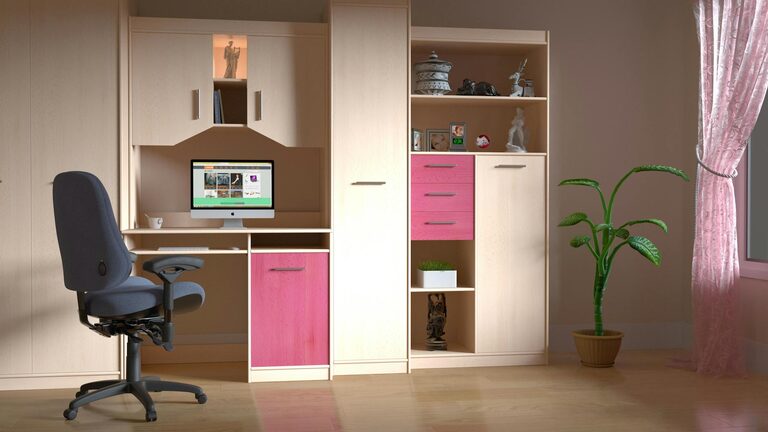
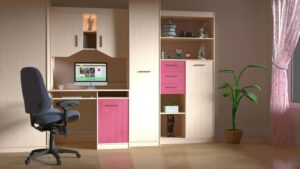
Your desk and chair are key to comfort and posture. A supportive chair with adjustable height and lumbar support can prevent back pain during long work sessions.
Ergonomic Desk Setup
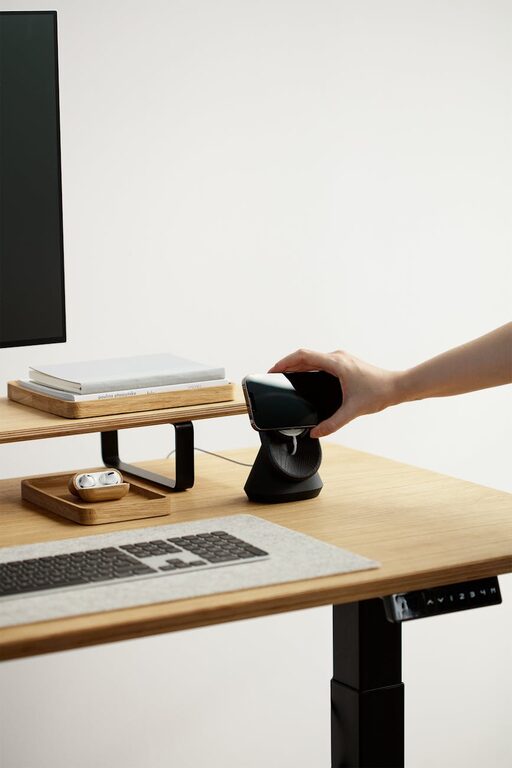
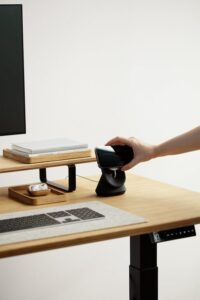
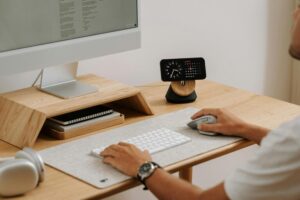
Place your monitor at eye level to avoid neck strain, and keep your keyboard and mouse within easy reach. Consider a standing desk or a desk converter if you like alternating between sitting and standing.
Personalize Your Space
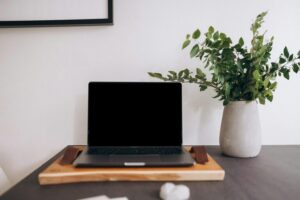
Adding personal touches can make your workspace inviting and inspire creativity. Photos, plants, artwork, or meaningful objects can make the area feel uniquely yours.
Add Greenery
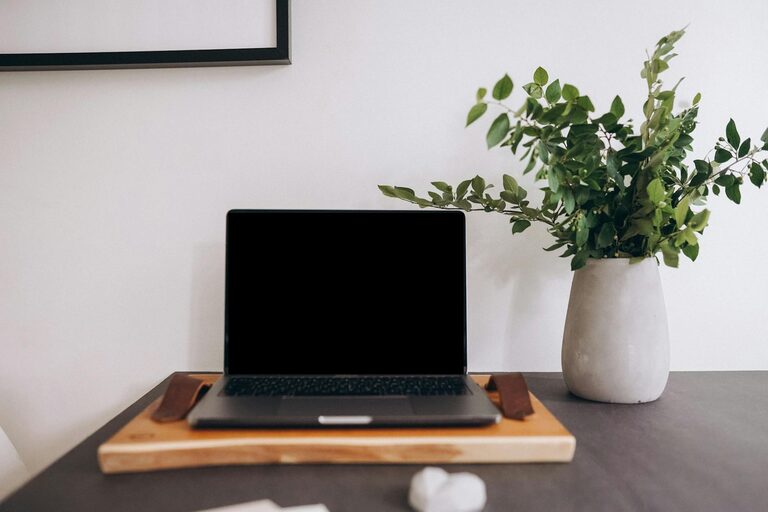
Indoor plants not only brighten the space but may also improve air quality and reduce stress. Choose low-maintenance plants like succulents or spider plants if you don’t have a green thumb.
Keep It Organized
Clutter can hinder productivity, so keeping your workspace tidy is essential.
Storage Solutions
Use shelves, filing cabinets, or desk organizers to keep essentials within reach but off your desktop. Labeling storage bins or drawers can help you find things quickly.
Cable Management
Messy cords create visual clutter and can be distracting. Use cable clips, sleeves, or under-desk trays to keep wires neat and out of sight.
Optimize Lighting
Besides natural light, having good task lighting is important.
Task Lamps
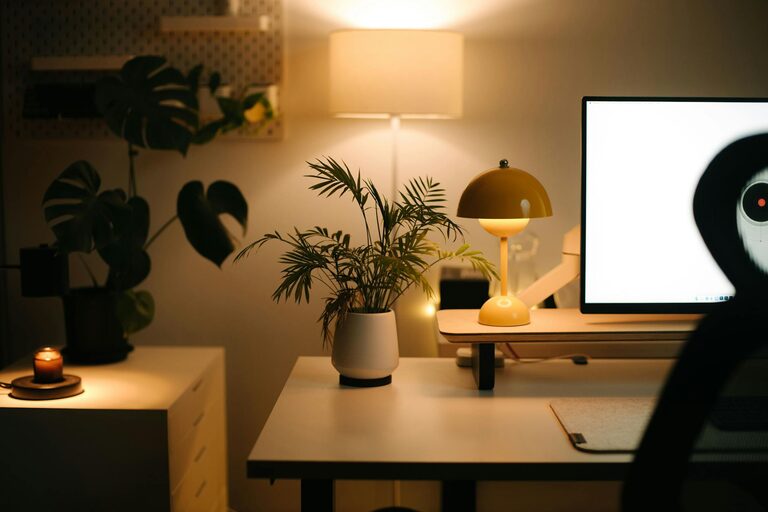
A desk lamp with adjustable brightness allows you to control the lighting based on your needs, preventing eye strain during evening work or on cloudy days.
Avoid Glare
Position screens and lights to minimize reflections and glare, making it easier to work comfortably for longer periods.
Limit Distractions
Creating boundaries is key for maintaining focus.
Define Work Hours
Set clear working hours to help separate work time from relaxation. Inform family members or housemates of your schedule to reduce interruptions.
Use Technology Wisely
Apps that block distracting websites or notifications can help keep you on track. Also, keep your phone out of reach or on “Do Not Disturb” during deep work periods.
Incorporate Comfort Elements
Small comforts can make a big difference in how you feel during your workday.
Temperature Control
Make sure your workspace is adequately heated or cooled. A small fan or space heater might be useful depending on your climate.
Cozy Textiles
Add a soft rug, comfortable cushions, or a blanket nearby. These elements help create a warm and welcoming atmosphere.
Take Breaks and Move
Even the best workspace can’t replace the benefits of regular breaks.
Stretch and Walk
Set reminders to stand, stretch, or take short walks to improve circulation and reduce fatigue.
Change Your View
If possible, move around during breaks or try working near a window that offers an outdoor view to refresh your mind.
Final Thoughts
Designing a cozy yet productive home workspace involves balancing comfort, functionality, and personalization. By paying attention to lighting, furniture, organization, and your own habits, you can create an environment that supports your best work and well-being.
Remember, the most effective workspace is one that feels right for you—don’t hesitate to experiment until you find a setup that helps you thrive.