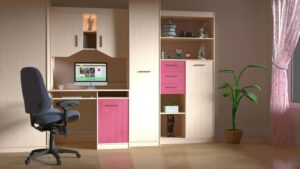



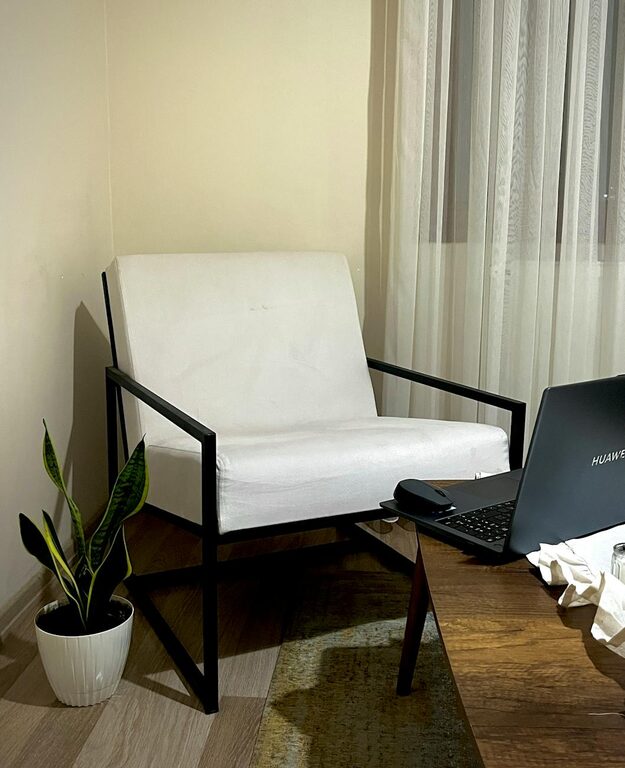
Creating a home office that is both cozy and functional can greatly improve your work-from-home experience. A well-designed workspace not only boosts productivity but also helps you feel comfortable and motivated throughout the day. Whether you have a dedicated room or just a small corner, these tips can help you set up an inviting and efficient home office.
Choose the Right Location
Selecting the right spot in your home to create your office is the first important step.
– Natural Light: Try to position your desk near a window to take advantage of natural daylight. This can help improve your mood and reduce eye strain.
– Quiet Area: Pick a place that’s away from household noise and distractions to maintain focus.
– Space Considerations: Make sure there’s enough room for your essential office furniture and equipment, as well as some movement.
Invest in Comfortable Furniture
Comfort is key for long hours at your desk. The right furniture supports your body and keeps you productive.
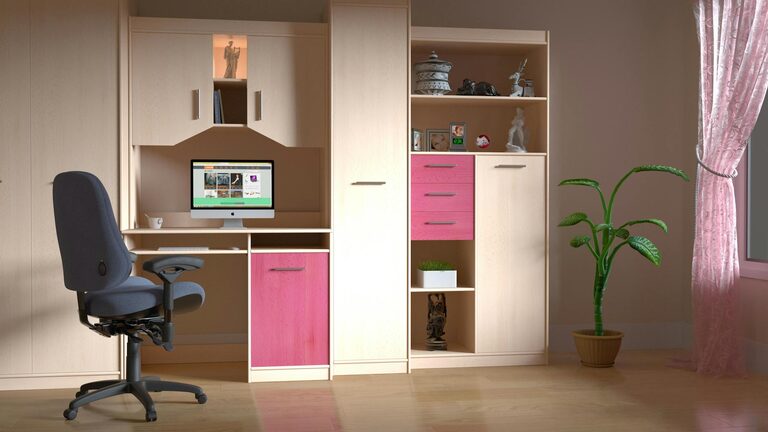
– Ergonomic Chair: Choose a chair that offers good back support and adjustable height to keep you comfortable and reduce strain.
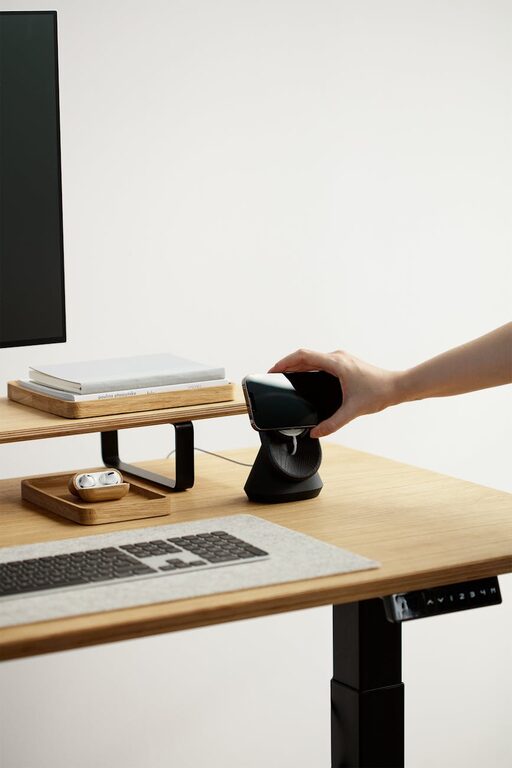
– Desk Size and Height: Select a desk that fits your equipment and allows comfortable arm positioning. Standing desks or adjustable desks can be good options if you want to switch working postures.
– Storage Solutions: Use shelves, drawers, or filing cabinets to keep documents and tools in order without clutter on your desk.
Optimize Lighting
Good lighting helps improve focus and reduces headaches.
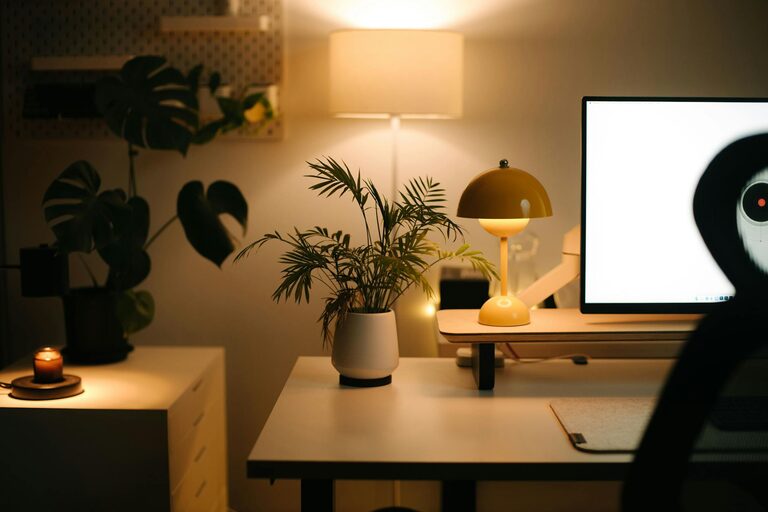
– Mix Lighting Types: Combine natural light with ambient lighting and task lighting. A desk lamp with adjustable brightness can help during late hours or on cloudy days.
– Position Lights Correctly: Avoid glare on your computer screen by placing lights to the side or behind your desk.
Organize Efficiently
An organized workspace makes it easier to find what you need and keeps the space inviting.
– Declutter Regularly: Remove unnecessary items from your desk daily or weekly.
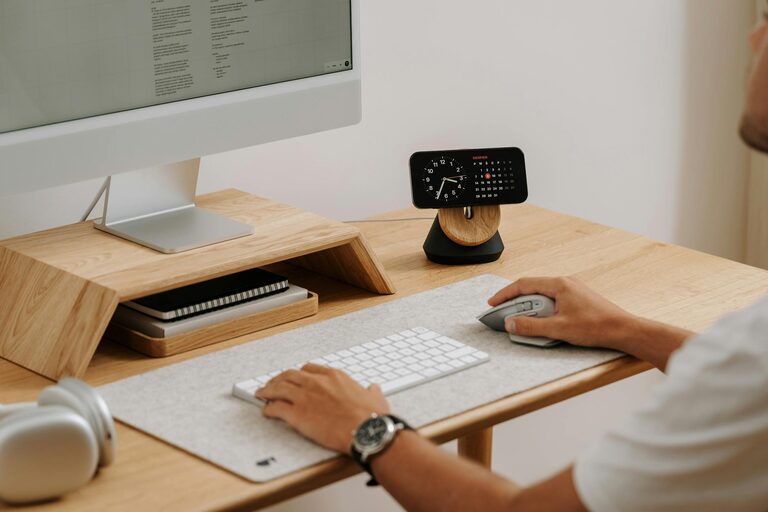
– Use Organizers: Implement trays, drawer dividers, and cable organizers to keep everything neat.
– Digital Organization: Keep your computer desktop and files well-organized to complement your physical space.
Add Personal and Cozy Touches
Make the office a place you enjoy being in by adding elements that make it feel warm and personal.
– Plants: Adding greenery can improve air quality and provide a calming presence.
– Soft Textiles: Use a comfortable rug, cushions, or curtains to make the space feel cozier.
– Artwork and Inspiration: Hang pictures, posters, or quotes that inspire you.
– Scent and Sound: Consider a subtle diffuser or background music to create a pleasant environment.
Use Colors Wisely
Color choices can affect mood and productivity.
– Calming Colors: Shades of blue, green, or neutral tones tend to create a relaxed atmosphere.
– Accent Colors: Add pops of color through accessories or wall art to energize the space without overwhelming it.
Incorporate Technology Intelligently
Good tech setup helps maintain workflow without frustration.
– Reliable Internet: Ensure a strong and stable connection.
– Quality Equipment: Use a comfortable keyboard, mouse, and headset, especially if video meetings are frequent.
– Cable Management: Keep cords tidy and out of the way to reduce clutter and hazards.
Plan for Breaks and Movement
Your workspace should encourage healthy habits.
– Standing Options: Consider a standing desk or periodic breaks to stretch.
– Break Area: If possible, create a small space nearby away from your desk to relax during breaks.
Maintain a Routine-Friendly Layout
Arrange your office so that everything you use often is within easy reach without overcrowding.
– Zones: Designate areas for computer work, writing, and storage.
– Flexibility: Use modular furniture or movable pieces to adjust the space as needed.
Final Thoughts
Designing a cozy and functional home office doesn’t have to be complicated or expensive. Focus on comfort, organization, and a touch of personality to create a space that makes working from home more enjoyable and effective. By investing some time in these details, you can build a workspace that supports your productivity and well-being every day.