




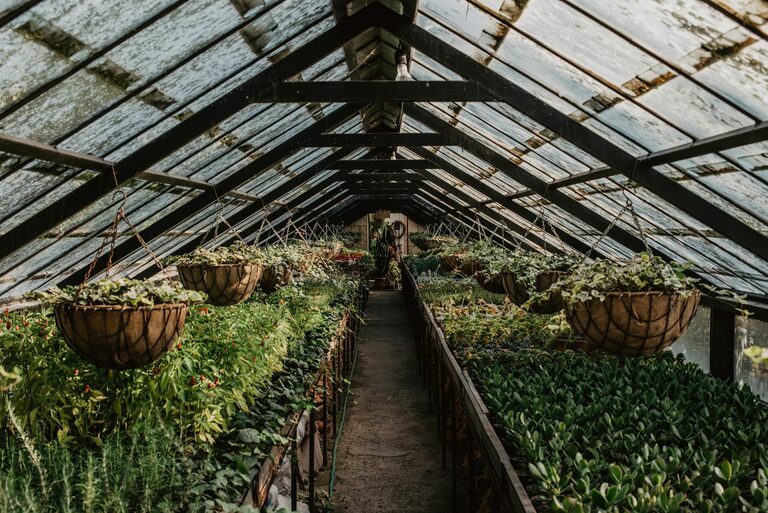
Creating a home garden that is both sustainable and enjoyable can be a rewarding experience. Not only does it provide fresh produce and beautiful plants, but it also supports the environment and promotes personal well-being. Whether you are a seasoned gardener or just starting out, these tips will help you design a garden that’s kind to the earth and a pleasure to maintain.
Understanding Sustainable Gardening
Sustainable gardening focuses on practices that protect natural resources, reduce waste, and promote biodiversity. This means working with nature rather than against it, conserving water, and avoiding harmful chemicals. A sustainable garden supports local wildlife like bees and butterflies, improves soil health, and reduces your carbon footprint.
Planning Your Garden Space
Before planting, take time to carefully plan your garden. Consider factors like sunlight, soil type, and the climate in your area.
Assess Sunlight and Soil
– Observe how much sunlight different parts of your garden receive each day.
– Test your soil’s pH and nutrient levels with a simple kit or by sending a sample to a local extension service.
– Choose plants that thrive in your local conditions to avoid extra watering or fertilizing.
Design for Year-Round Interest
– Plan a mix of flowers, shrubs, vegetables, and herbs that bloom or bear fruit at different times.
– Incorporate evergreen plants to maintain greenery through winter.
– Include pathways or seating areas to create a relaxing space for enjoyment.
Choosing Eco-Friendly Plants
Native plants are a fantastic choice for sustainability. They are adapted to your region’s climate and soil, requiring less water and fewer pesticides.
– Look for local native plant nurseries or seed suppliers.
– Incorporate a variety of plants that attract pollinators like bees and butterflies.
– Consider planting fruit trees or edible herbs to add both beauty and functionality.
Water Conservation Techniques
Watering efficiently helps conserve this precious resource and reduces your water bill.
– Use drip irrigation or soaker hoses to deliver water directly to roots.
– Collect rainwater with barrels to use during dry periods.
– Water early in the morning or late in the evening to minimize evaporation.
– Mulch around plants to retain soil moisture and keep roots cool.
Building Healthy Soil
Healthy soil is key to a thriving garden.
– Add organic matter like compost or well-rotted manure to improve soil structure and fertility.
– Avoid chemical fertilizers; opt for natural amendments instead.
– Rotate crops annually if you grow vegetables to prevent nutrient depletion and reduce pests.
– Consider planting cover crops during off-seasons to prevent erosion and enhance soil.
Pest Management Without Chemicals
Control pests without harming beneficial insects or the environment.
– Encourage ladybugs, lacewings, and other helpful insects by planting diverse flowers.
– Use physical barriers like row covers to protect crops.
– Handpick pests or use natural sprays like neem oil or insecticidal soap when necessary.
– Keep your garden tidy by removing plant debris and diseased leaves.
Composting for Waste Reduction
Composting turns kitchen scraps and garden waste into rich soil amendment.
– Set up a compost bin or pile in a convenient spot.
– Add a mix of “greens” (fruit peels, vegetable scraps) and “browns” (dry leaves, paper).
– Turn the pile regularly to aerate and speed decomposition.
– Use finished compost to enrich garden beds and reduce the need for fertilizers.
Creating Wildlife-Friendly Spaces
Supporting wildlife can create a balanced ecosystem in your garden.
– Install bird feeders, birdbaths, or nesting boxes.
– Leave an area with native shrubs or wildflowers for shelter.
– Avoid using pesticides that could harm beneficial animals.
– Provide a shallow dish with water for pollinators.
Enjoying Your Garden
A sustainable garden is not just about environment—it’s also about your enjoyment.
– Take time daily to observe and appreciate your plants and wildlife.
– Experiment with garden journaling to track growth and changes.
– Share your harvest or cut flowers with friends and family.
– Host small garden gatherings to connect with others who love nature.
Summary
Building a sustainable and enjoyable home garden is entirely achievable with thoughtful planning and care. By choosing native plants, conserving water, enriching your soil naturally, managing pests wisely, and encouraging wildlife, you create a thriving green space that benefits both you and the planet. Remember, gardening is a journey where every small step makes a difference—so start today and watch your garden flourish.